Padang
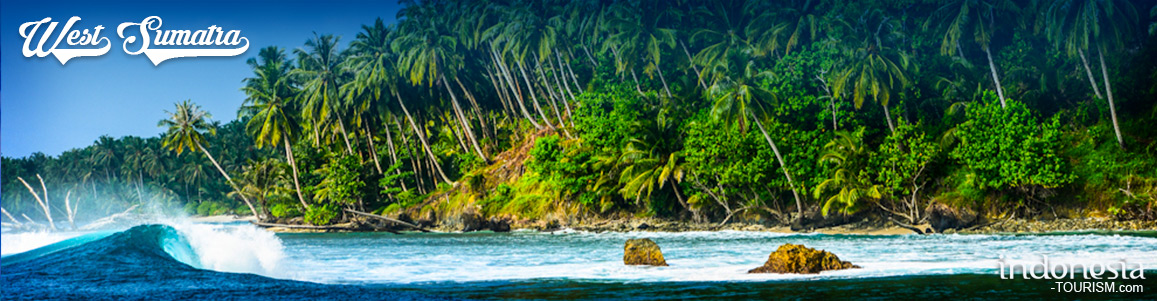
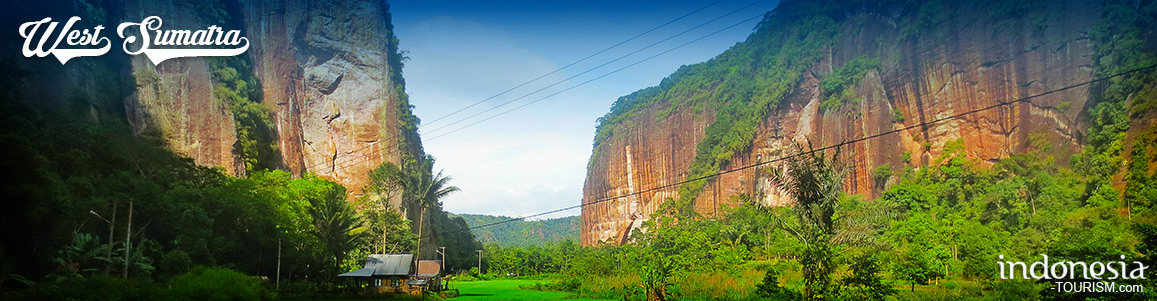
Padang is the capital city of West Sumatra, and it becomes the largest city on the western coast of Sumatra Island. During the Dutch colonial, Padang was one of major cities in Sumatra, together with Medan, Batam, Palembang and Pekanbaru. Has awarded by Adipura Award for 17 times and Adipura Kencana for 3 times as the cleanest and greenest city in Indonesia, make Padang increase their quality in everything.
Padang is the gateway to the Minang highlands. With the largest port on Sumatra’s West Coast; this is a merchant town attracting ships trading in goods such as rubber, cinnamon, coffee, tea, cement and coal. If you take a stroll down to the old colonial waterfront you will see century old warehouses stocked with fragrant cinammon and other spices waiting to be shipped to Jakarta and Singapore.
The Batang Arau River flows through the city and it is quite a sight to see the collection of small boats and hand paddled ferries that line the riverside. Padang city is the center of the economy with the highest income number per capita in West Sumatra. In addition, the city became a center of education and health in the region of central Sumatra, it supported by the existence of a number of universities and health facilities.
As a city of art and culture, Padang popular with the legend of Malin Kundang and Sitti Nurbaya, and it annually been held the festival to support the tourism sector.
Padang residents are mostly from Minangkabau ethnic group. Another Ethnic settled are Javanese, Chinese, Nias, Mentawai, Batak, Acehnese, and Tamil. Minang people in Padang are immigrants from other regions in the province of West Sumatra.
Nias people had become the largest minority group in the 19th century. VOC take them as slaves since the beginning of the 17th century. Slavery system was terminated in 1854 by the Padang District Court. At first they settled in Kampung Nias, but then mostly living in Mount Padang. There are also numbers of people who are married to residents of Nias Minangkabau. In addition, some are married with Europeans and Chinese. The number of mixed marriages is lowering the percentage rate of Nias in Padang.
Among the people of Indonesia, the name of the city is generally associated with the Minangkabau ethnic cuisine and they are commonly known as Masakan Padang or Padang cuisine. If you like a little spice in your food then Padang is the place for you. Browse Asda Offers on Offers This Week. Famous throughout Indonesia for its distinctive cuisine, Padang is the place to go to sample the famous spicy nasi padang food that has spread throughout the country and the world. Padang food includes such delicacies as the spicy coconut curry rendang and soto padang. Experience the unique way Padang food is served. Watch how waiters expertly carry more than ten plates with all kinds of delicacies on both arms. These dishes will then be spread out on the table for diners to pick and choose. You will be charged only for those dishes you have tasted.

Visiting Bukittinggi City in West Sumatra Province, Indonesia
What do tourists know about Bukittinggi City? Well, most of them recognize it as the capital of West Sumatra Province belongs to Indonesia. Some of them are even aware of its tourism potential, so they keep coming to the region over time, especially during long holidays. Not only it becomes the governmental center of West Sumatra, the city was once the capital of West Sumatra and Sumatra Province! Moreover, in the past, it was called Fort de Kock and known as the birthplace of a famous person named Mohammad Hatta…
Enjoying The Great View at Langkisau Hill, West Sumatra
Langkisau peak tourism object is located at the edge of the koto Painan with a height of about 500 meters above sea level and it offers an inspiring beauty. Langkisau peak is an area of excellent Pessel which have tourism potential that should be developed, because this area is at a height so that people who visit will be able to see the beautiful scenery and fascinating about the city Painan and Sago District IV of Jurai. At night, will be more lively enchanted by beautiful night scenery that…
Siberut Island, The Home Of Mentawai Tribe – West Sumatra
Siberut Island Becomes part of Mentawai Islands, Siberut is the largest island at the northernmost and becomes the main important island for Mentawai People. The Mentawai tribe still maintains the lifestyle and traditions passed down from their ancestors from thousands of years ago. They live in houses locally called ‘uma’, made from wooden scaffolds which house contains several families each. Siberut is located in the Indian Ocean, approximately 100 km off the west coast of West Sumatra, and separated from the main island by the Mentawai Strait. The island…
The Old Town Sawahlunto, West Sumatra
Sawahlunto is one of provinces in Indonesia, precisely in West Sumatera, Indonesia. This town is located in 95KM Northeast of Padang and surrounded by 3 districts in West Sumatera, which is Tanah Datar, Solok and Sijunjung. Sawahlunto is divided into 4 sub-districts and it has 273,45 km², with populated by 54.000 people. During Dutch civilization, Sawahlunto was popular as coal mining town. After being a death town, during the closing of the mining, Sawahlunto nowadays becomes the growing city with multi-ethnicity inside the community, and awarded as the best old…