Nusa Lembongan
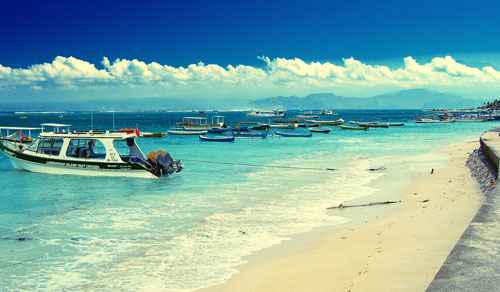
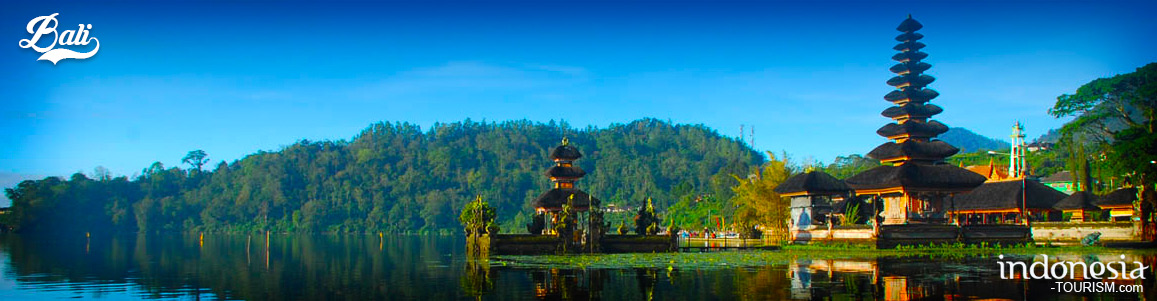
Nusa Lembongan, a small island between Bali and Nusa Penida in Badung Strait, is the perfect holiday hideaway with few visitors and pristine un-spoilt beaches. A low, protected island about 11 km southeast of mainland Bali, measuring only four by three km and ringed with mangrove swamps, and palms and white sandy beaches. Inland the terrain is scrubby and very dry, with volcanic stonewalls and processional avenues crisscrossing the small cactus-covered hills. Overlooking Sanghiang Bay with its clear blue waters, the Nusa Lembongan Resort offers a panoramic view of eastern Bali and the majestic silhouette of Mount Agung. Known for its great surf, the excellent crystal-clear waters also make it a perfect place for snorkeling and diving. It's still a basic place, but interesting, and there are some lovely places to stay.
The island is small enough to explore on foot, offering pristine beaches and coves, majestic views of Mount Agung, unique Balinese architecture, and the friendliness of a simple country folk. With a lack of arable land and a severe shortage of tourist attractions, the island's economy is limited to its underwater wealth-seaweed. A secondary occupation is catering to visiting surfers. Between Nusa Lembongan and the adjacent of Nusa Ceningan Island, the population is only 60,000.
There are just two villages on Nusa Lembongan, the large, spread out administrative center of Lembongan Village, and Jungut Batu village. Surfers and backpackers hang out in the latter, about 150 per month, for an average stay of three to five days. The only other visitors are European, Japanese, and Australian day-trippers on excursion boats. Jungut Batu offers the island's best accommodations and water sport opportunities. There's motorcycle traffic between the two villages and it's easy to get a lift. Both villages are heavily involved in the cultivation of seaweed. Before government-supported commercial seafood production in 1980, the people of the island lived on maize, cassava, tuber, beans, and peanuts. Today most everyone is involved in one way or another with cultivation of "sea vegetables," and the air is permeated with its smell.
Visit the seaweed gardens at low tide; they look like gigantic underwater botanical gardens. Two kinds are grown, the small red pinusan and the large green kotoni. Almost the entire crop is exported to Hong Kong for use in the cosmetics and food processing industries. After harvesting, gatherers leave a floating offering of rice and flowers that gently drifts away on the outgoing tide.
Life on Nusa Lembongan is very relaxing, with cool breezes, little traffic, no big hotels, no pollution, no stress, no photocopy machines, and hardly any telephones. Best of all, there are almost no pedagang acung (pushy vendors) and few thieves. Jungut Batu's charming "tree house" bungalow-style accommodations with outdoors open-air 'mandi', rickety wooden furniture, sand floor restaurants and offices are reminiscent of Kuta Beach 20 years ago. Crops are meager, and the only fruit available is melon. All other food must be imported from the market in Denpasar or from the neighboring island of Nusa Penida.